
Tourism operators operating within the eclipse zone
Tourism Operators Located Within the Total Solar Eclipse Zone
Tourism operators play a highly important role in providing reliable information to visitors. More often than not, they are the first point of contact guests have when arriving in the country or at a particular destination. This may include staff at tourist information centers, tour guides, accommodation staff, and frontline employees at restaurants, to name a few.
It is important that businesses operating within the eclipse zone prepare themselves and their staff thoroughly for increased visitor numbers and the unpredictable situations that may arise during the event. Good communication, clear procedures, and coordination with emergency responders and service providers in the area can be crucial to ensuring safety, smooth traffic flow, and a positive experience for both visitors and residents. Preparations should take into account increased pressure on transportation, services, and popular attractions, as well as the importance of protecting nature and local infrastructure.
Planning and Preparation
- Assess how the total solar eclipse may affect the company’s operations
- Familiarize yourself with the position of the sun and how the eclipse will appear from your location
- Identify likely scenarios (increased visitor numbers, traffic, weather conditions)
- Update or review safety plans with this event in mind
- Define staff responsibilities and roles for eclipse day
- Review and ensure sufficient product and supply availability
- Familiarize yourself with announced traffic management measures and road closures
- Learn about nearby emergency response locations and viewing areas
- Expect significant traffic delays
- Closely monitor information issued by authorities regarding the eclipse
Kjálkafjörður. Photo by Tamara Bitter on Unsplash
Staff and Staffing
- Assess the need for additional staffing
- Ensure staff have clear instructions and know where to find information
- Make staff aware of potential high-pressure areas and risks
- Prepare simple guest communication guidelines for staff
- Ensure shift changes take place well before or after the eclipse
Visitor Safety
- Assess risks related to traffic and pedestrian movement
- Identify hazardous or environmentally sensitive areas nearby
- Take weather conditions, visibility, and changing circumstances into consideration
- Encourage visitors to be self-sufficient (appropriate clothing, food, water)
- Inform guests about the use of proper eclipse glasses for viewing the eclipse
Information for Visitors
- Inform visitors through the company’s communication channels about how the eclipse can be viewed from your location
- Ensure information is clear, simple, and consistent
- Avoid promising conditions that cannot be guaranteed (e.g. visibility or weather)
- Inform visitors about possible delays, restrictions, or closures
- Use reliable communication methods (website, reception desk, signage)
- Use and refer to information provided by the relevant regional destination marketing offices
Communication and Expectation Management
- Prepare staff to handle visitor disappointment or dissatisfaction
- Stay calm, show understanding, and provide clear information
- Guide visitors safely and responsibly
- Remember that visitors’ experiences are often shaped more by interactions than by circumstances themselves
Traffic and Accessibility
- Familiarize yourself with shared maps and traffic guidance
- Know where parking is permitted and where it is not
- Avoid directing visitors to areas that are not suited to heavy traffic or large crowds
- Coordinate messaging with neighboring businesses, municipalities, and landowners
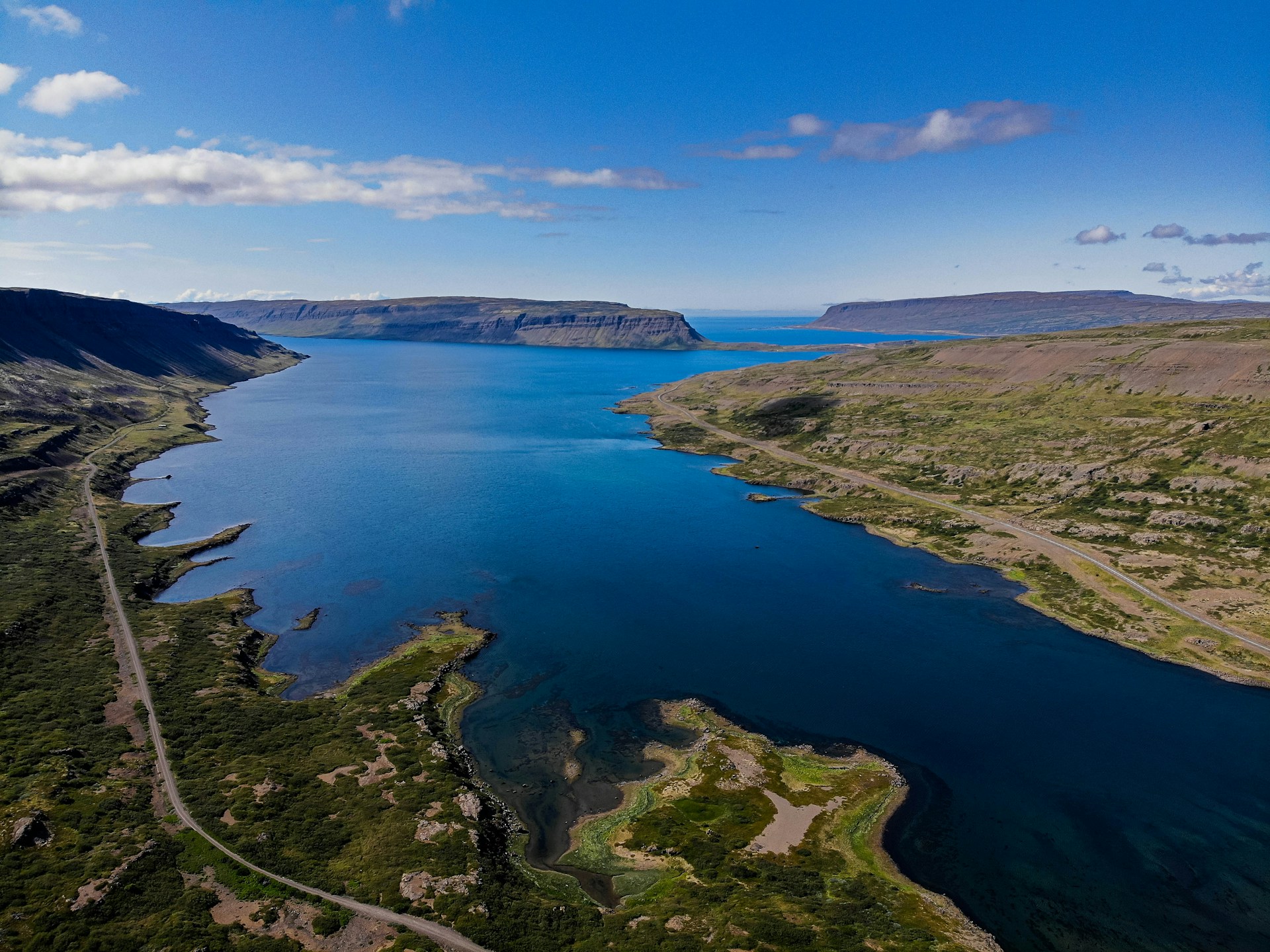
Kjálkafjörður. Photo: Tamara Bitter on Unsplash
